
Beautiful Plants For Your Interior

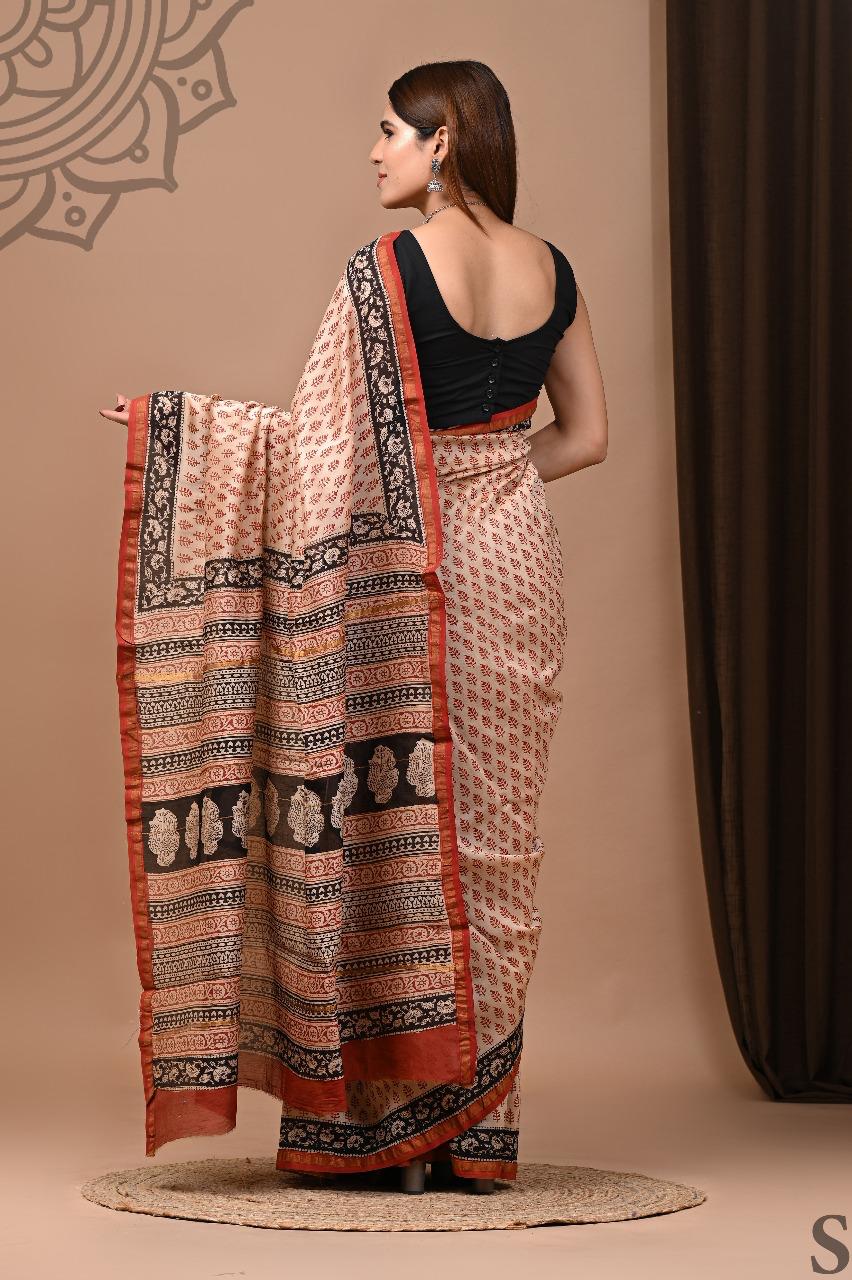
Chanderi sarees are not merely garments; they are living stories woven with centuries of history, culture, and craftsmanship. Originating from the small historic town of Chanderi in Madhya Pradesh, these sarees are celebrated for their sheer texture, lightweight feel, and timeless elegance. Graceful yet regal, Chanderi sarees occupy a unique place in India’s rich handloom tradition.
The history of Chanderi weaving dates back over a thousand years. The town of Chanderi flourished as a major trade route between northern and southern India, attracting merchants, royalty, and artisans. According to legend, the art of Chanderi weaving was introduced by Shishupal, the cousin of Lord Krishna, and later patronized by Mughal emperors and Rajput royalty.
Royal patronage refined the weave, introducing delicate motifs, luxurious silk yarns, and exquisite designs. Over generations, Chanderi became synonymous with understated opulence—favored by queens and noblewomen for its elegance without excess.
One of the most defining features of Chanderi sarees is their distinct fabric blend. Traditionally, they are woven using:
This combination gives Chanderi sarees their signature sheer texture and glossy finish, while remaining breathable and comfortable—perfect for India’s climate. The fabric drapes effortlessly, making it ideal for both daily elegance and festive grandeur.
Each Chanderi saree is handwoven on traditional looms by skilled artisans, many of whom belong to families that have practiced this craft for generations. The weaving process is meticulous and time-intensive, often taking days or even weeks to complete a single saree.
The hallmark of authentic Chanderi sarees lies in:
Unlike mass-produced textiles, no two handwoven Chanderi sarees are exactly alike. Each piece carries subtle variations that reflect the human touch behind the loom.
Chanderi sarees are renowned for their traditional motifs, often inspired by nature, architecture, and mythology. Common motifs include:
Many designs draw influence from Mughal art and temple carvings, lending the sarees a quiet sophistication. These motifs are often woven using gold or silver zari, adding a delicate shimmer without overpowering the fabric.
Traditionally, Chanderi sarees were woven in soft, natural hues—ivory, beige, pastel pinks, and pale golds. Today, artisans experiment with a broader palette while staying true to the saree’s refined character.
From muted pastels and earthy neutrals to rich jewel tones, Chanderi sarees adapt effortlessly to modern tastes while retaining their classic charm. Natural dyes are still used by many weavers, enhancing the saree’s authenticity and sustainability.
One of the reasons Chanderi sarees remain relevant is their remarkable versatility. They transition seamlessly from tradition to contemporary fashion:
Designers today reimagine Chanderi with minimal borders, bold blouses, experimental drapes, and fusion styling, making it a favorite among younger generations.
In an age dominated by fast fashion, Chanderi sarees represent the values of slow, sustainable craftsmanship. Handloom weaving:
Choosing a Chanderi saree is not just a fashion choice—it is a conscious decision to support ethical production and centuries-old skills.
With popularity comes imitation. To identify a genuine handwoven Chanderi saree:
Authentic Chanderi sarees may cost more, but their quality, durability, and heritage make them timeless investments.
To preserve the beauty of a Chanderi saree:
With proper care, a Chanderi saree can be cherished and passed down through generations.
Chanderi sarees embody a rare balance—delicate yet durable, traditional yet modern, simple yet luxurious. They whisper elegance rather than announce it, making them perfect for women who value subtle sophistication.
In every thread lies the rhythm of the loom, the patience of the artisan, and the soul of Indian heritage. Wearing a Chanderi saree is not just about draping fabric—it is about embracing history, honoring craftsmanship, and celebrating timeless beauty.
