
Beautiful Plants For Your Interior

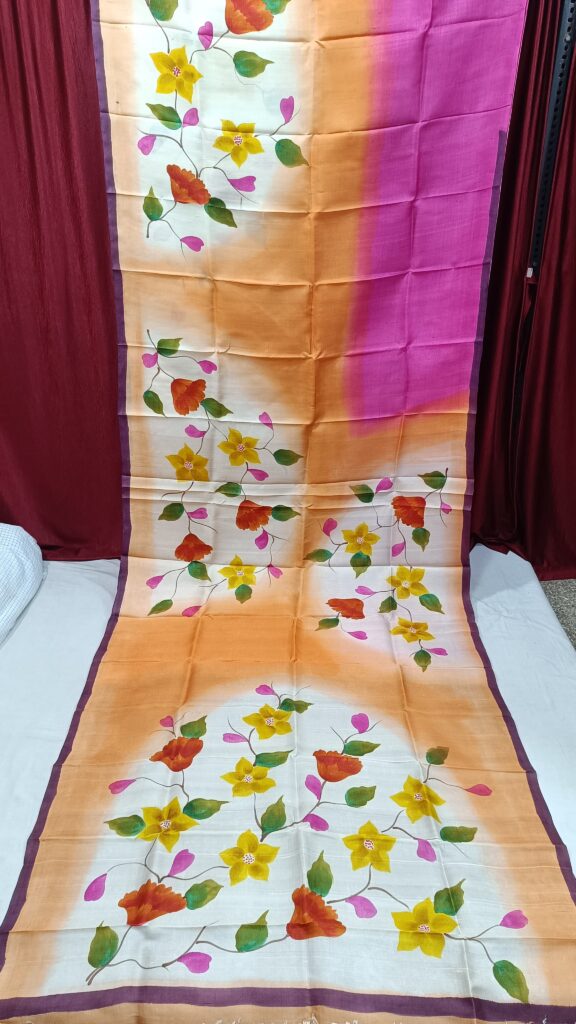
hand printed saree
Tussar hand print sarees are a celebration of nature, tradition, and human artistry. Known for their rich texture, earthy tones, and distinctive charm, these sarees represent one of India’s most treasured handloom traditions. Crafted from Tussar silk, often called “wild silk,” and adorned with hand-printed designs, these sarees embody authenticity and timeless elegance.
Tussar silk originates primarily from the forested regions of Jharkhand, Bihar, Odisha, Chhattisgarh, and West Bengal. Unlike mulberry silk, which is cultivated in controlled environments, Tussar silk is produced by silkworms that thrive in the wild, feeding on trees such as Arjun, Asan, and Sal. This natural habitat gives Tussar silk its characteristic coarse texture, rich feel, and subtle golden sheen.
For centuries, tribal communities and traditional weavers have nurtured this silk, making it an integral part of India’s indigenous textile heritage. Every strand of Tussar silk reflects a harmonious relationship between humans and nature.
Tussar hand print sarees stand apart due to their raw elegance and handcrafted beauty. The fabric’s natural irregularities lend it a distinctive personality, while hand printing adds an artistic narrative to each saree. Unlike machine prints, hand prints celebrate imperfections, making every piece one of a kind.
Key characteristics include:
These sarees appeal to those who value individuality, craftsmanship, and sustainable fashion.
Hand printing on Tussar silk is a meticulous process that demands precision, patience, and skill. Artisans use traditional techniques such as:
In block printing, hand-carved wooden blocks are dipped in natural or pigment dyes and stamped carefully onto the fabric. Each impression must align perfectly, requiring a steady hand and practiced eye. Freehand styles allow artisans to paint directly on the fabric, transforming the saree into a wearable canvas.
The dyes used are often eco-friendly or natural, enhancing the saree’s organic appeal while preserving its breathable quality.
The motifs on Tussar hand print sarees are deeply rooted in nature, folklore, and regional traditions. Common designs include:
These motifs are often symbolic, representing fertility, harmony, prosperity, or protection. The muted base of Tussar silk allows prints to stand out beautifully, creating a balanced visual harmony.
Tussar hand print sarees are known for their earth-inspired color palette. Shades such as ivory, beige, honey gold, rust, indigo, charcoal, olive, and maroon dominate the tradition. These colors not only complement the natural sheen of Tussar silk but also age gracefully over time.
Modern interpretations introduce pastel hues and bold contrasts, blending traditional aesthetics with contemporary fashion sensibilities.
One of the greatest strengths of Tussar hand print sarees is their versatility. They are equally suited for:
Paired with a simple cotton or silk blouse, handcrafted jewelry, and minimal makeup, Tussar sarees exude effortless sophistication. They also lend themselves beautifully to modern draping styles and fusion looks.
Tussar hand print sarees exemplify slow fashion at its best. The production process:
By choosing Tussar silk, consumers directly support tribal silk rearers, weavers, and artisans, ensuring the survival of a heritage craft that might otherwise fade in the face of industrialization.
Authentic Tussar hand print sarees can be identified by:
Machine-made imitations often lack the warmth and depth of genuine Tussar silk.
To maintain the beauty of a Tussar saree:
With proper care, Tussar silk becomes softer and more graceful with age.
Tussar hand print sarees are not just garments; they are expressions of identity, heritage, and mindful living. Each saree carries the imprint of the artisan’s hand, the rhythm of traditional printing, and the raw beauty of wild silk.
In a world of fleeting trends, Tussar hand print sarees stand as enduring symbols of authenticity and elegance. Wearing one is a quiet statement—of respect for craftsmanship, love for nature, and appreciation for timeless art.
